
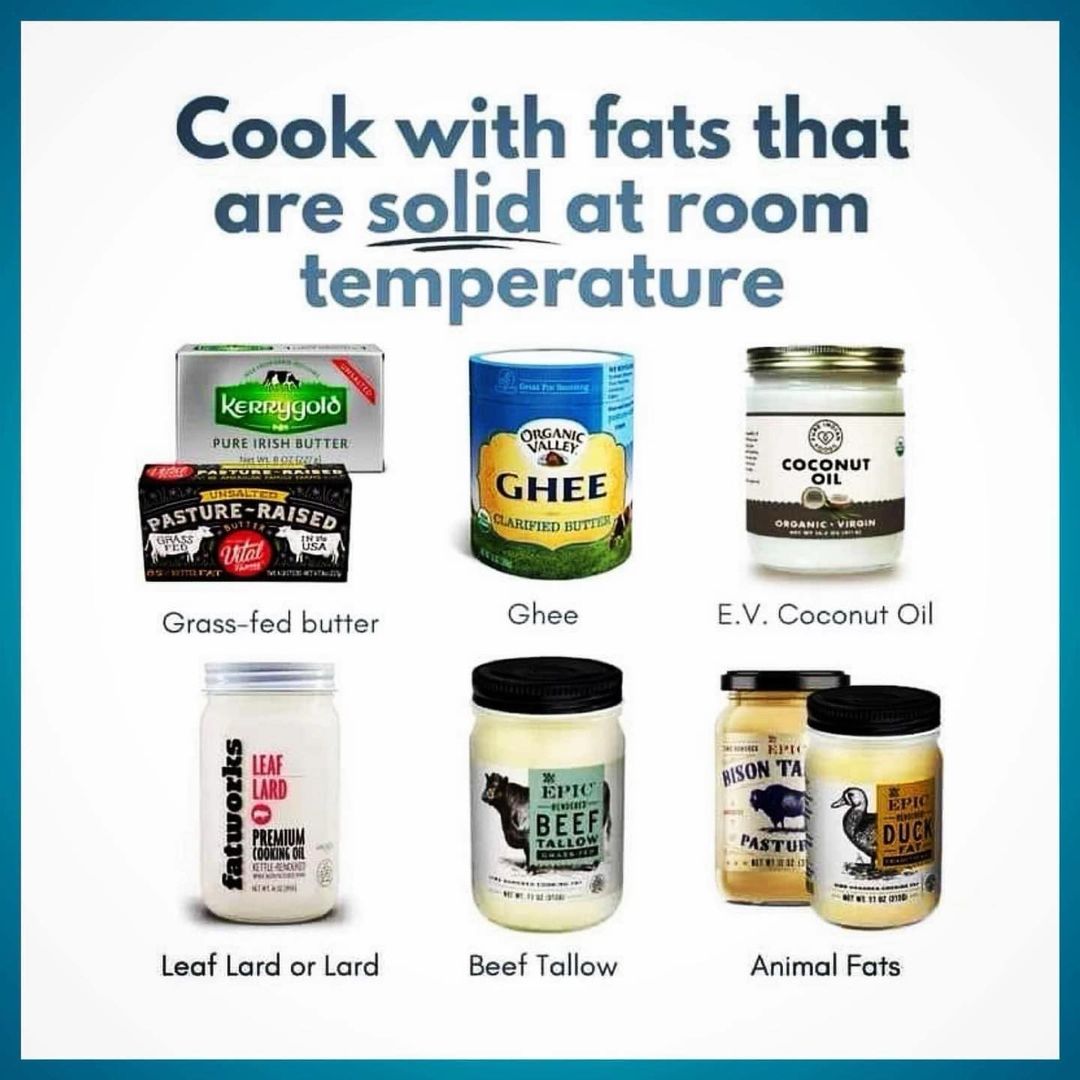
In nutrition, biology, and chemistry, fat usually means any ester of fatty acids, or a mixture of such compounds, most commonly those that occur in living beings or in food.
The term often refers specifically to triglycerides (triple esters of glycerol), that are the main components of vegetable oils and of fatty tissue in animals; or, even more narrowly, to triglycerides that are solid or semisolid at room temperature, thus excluding oils. The term may also be used more broadly as a synonym of lipid —any substance of biological relevance, composed of carbon, hydrogen, or oxygen, that is insoluble in water but soluble in non-polar solvents. In this sense, besides the triglycerides, the term would include several other types of compounds like mono- and diglycerides, phospholipids (such as lecithin), sterols (such as cholesterol), waxes (such as beeswax), and free fatty acids, which are usually present in human diet in smaller amounts.
Fats are one of the three main macronutrient groups in human diet, along with carbohydrates and proteins, and the main components of common food products like milk, butter, Lard or Tallow, lard, salt pork, and cooking oils. They are a major and dense source of food energy for many animals and play important structural and metabolic functions, in most living beings, including energy storage, waterproofing, and thermal insulation. The human body can produce the fat it requires from other food ingredients, except for a few essential fatty acids that must be included in the diet. Dietary fats are also the carriers of some flavor and aroma ingredients and vitamins that are not water-soluble. https://en.wikipedia.org/wiki/Fat
1893: Fridtjof Nansen sails a ship into the Arctic pack ice (North Pole) and deliberately lets it freeze solid, because he has worked out that the ice itself is moving in a current and intends to ride it across the top of the world.
The Fram locks in on September 22 and the drift begins.
1895: the drift is not going to reach the Pole. So on March 14 Nansen and Hjalmar Johansen step off the ship with dogs, sledges and two kayaks and set out to walk there.
On April 8 they turn back at 86°14′ north. Further than any human being has ever been, and not far enough. Behind them the ship has gone, ahead of them there is no land for hundreds of miles, and the provisions are finite.
They walk south for four months across shifting ice and open water. On August 6 they reach an island, the first ground either man has stood on in two years.
Then the food runs out entirely, and that is where the story actually starts.
They build a hut. Stone walls, a driftwood ridge pole, a roof of walrus hides. They move in on August 26, 1895 and they do not leave until May 19, 1896. Two men, one greasy sleeping bag, nine months of Arctic winter.
They live on polar bear and walrus. That is the whole diet. Bear meat fried in walrus blubber, bear broth, blubber burned in a lamp to cook the next lot. No flour. No vegetables. No fruit. No supplements. Nothing green enters that hut for the better part of a year.
They should have been dead by Christmas.
Every naval authority in Europe in 1895 knows what happens to men in the far north with no fresh vegetables. Scurvy is the thing that empties ships. It killed more sailors than every enemy combined, and the entire Royal Navy's provisioning doctrine is built on stopping it.
They walk out of that hut in May with their teeth in their heads.
On June 17, 1896 they meet Frederick Jackson on Northbrook Island, and Jackson does not recognize the man in front of him. Nansen is filthy, black with soot and blubber grease, hair to his shoulders. He is also, after nine months on nothing but bear and fat, in good health.
Now sit with the timing.
Vitamin C did not exist as a concept. Nobody isolated it until 1928. Nansen could not have told you why he was fine, because the word had not been invented yet. He had learned the method from Inuit hunters in Greenland in 1888 and he simply copied them: eat the fresh kill, eat the fat first, do not cook the life out of it.
The knowledge was available. Every Arctic people on earth had it. Nansen brought it home in his own body and published it, and Europe carried on believing that men need plants or they rot.
Sixteen years later Scott's men would die on the way back from the Pole, hauling their own sledges, eating from cans.
Modern polar expeditions still run on fat. Nobody crossing an ice cap is eating salad. The bodies of the men who do it are fueled the way Nansen's was, because the alternative does not work and everybody in that field knows it.
We accept it as true at 86 degrees north and dispute it in a kitchen in New York City.
Nansen died in 1930, at 68, with a Nobel Peace Prize on the shelf for feeding starving people after a war.
He spent nine months proving what a human being can run on, and the profession that should have been most interested filed it under exploration. [Garth Limburg]
In January 1806 the Lewis and Clark expedition climbed a mountain in the rain to buy 300 pounds of fat, and the people who had it did not want to sell.
They were wintering at Fort Clatsop on the Oregon coast, 33 of them, and it had rained on all but 12 days. The woods were full of elk. That was the problem. Winter elk is lean as a fence post, it spoiled in the wet, and the men were living on it boiled, with roots and dried fish, getting thinner and more miserable on full stomachs. Lewis noted that the best food they had was dog and the marrow out of the elk bones, and that the party had been healthier on dog than at any time since they left the buffalo country. Dog is fatty. Marrow is fat. Winter elk is neither.
Then word came up the coast. A whale had washed ashore near a Tillamook village.
On the 5th two men came back from the salt works with a sample of the blubber. Lewis had it cooked and wrote that it was "very pallitable and tender", white like pork fat. By nightfall Clark had a dozen men and two canoes ready.
One more person wanted to go. Sacagawea had carried a baby across a continent for these people, and she told the captains, in Clark's spelling, that "She had traveled a long way with us to See the great waters, and that now that monstrous fish was also to be Seen, She thought it very hard that She Should not be permitted to See either." She went, with the boy, who was not yet one.
It took three days, over a headland so steep they hauled themselves up by roots. On the beach they found a skeleton Clark paced out at 105 feet, and nothing else. The Tillamook had stripped every ounce in under a fortnight and were rendering it in wooden troughs with hot stones, storing the oil in the whale's own bladders and guts. Clark laid out everything he had to trade. They parted with 300 pounds of blubber and a few gallons of oil, grudgingly, like people being asked to sell their savings.
Lewis was overjoyed. He thanked providence for being "much more kind to us than he was to Jonah, having sent this monster to be swallowed by us in stead of swallowing of us."
Thirty-three people standing in a forest of lean meat crossed a mountain for fat. A whole village, offered good trade goods, would barely let it go. Nobody on that beach, on either side of the deal, was under any illusion about which part of an animal is the food.
In 1804 Thomas Jefferson sent thirty-three men to walk off the edge of the known map and find out whether America went all the way across. They came back two years later having lost one man, and the reason the rest lived is written in the journals in a word no dietitian uses: fat.
The Corps of Discovery left St Louis in May, hauling a keelboat up the Missouri against the current, by rope, through mud to the waist. Nobody knew what was out there. The maps gave out at the Mandan villages. Beyond that was rumour: mountains that might be a day's walk across, rivers that might run to the Pacific, and animals the size of carts that nobody back east believed in.
The men ate like no men have eaten since. Nine pounds of meat a day each, when it could be got. Four deer for the party, or a buffalo, every single day. Clark wrote that they consumed an immensity of meat. And by the autumn of 1805, on the high plains, they had learned the thing the plains people had always known. The buffalo in October carries inches of yellow fat down its back, and the men stripped it off and ate it before they touched the lean. They roasted marrow bones in the embers and sucked them like sweets. Charbonneau stuffed buffalo gut with meat and kidney fat and Lewis, a man who did not hand out praise, called it one of the great dishes of the frontier. They rendered bear grease into kegs and carried it over the Rockies like gold.
Then came the winter on the Pacific. Fort Clatsop, rain for a hundred days, and the only game was elk, lean as rope after the mountains. The men lived on it and the journals turn dark: boils, bowel trouble, men laid flat with nothing left in them. The meat was plentiful. It was the fat that had gone.
In January a whale washed up on the shore. Lewis sent a party through the surf and over a headland to buy its blubber from the Clatsop people, and when it came back he wrote that providence had been kinder to them than to Jonah, since it had sent the whale to be eaten rather than the reverse. The men came back to life on it.
They crossed the Divide, found the river, saw the ocean, and walked home. One grave in 8,000 miles, three months in, a sergeant with a burst appendix. No scurvy in two years without a vegetable.
The greatest expedition in American history ran on buffalo fat, bear oil, marrow and whale blubber, and its captains knew exactly what was keeping their men on their feet.
Send the same thirty-three men out today with oats, lean turkey and a bag of lentils, and the only thing that reaches Oregon is the paperwork.
See Also
asphalt
beeswax
fat
fat-concentrate
fat-concentration
fat-formation
fatty acid
Fatty matter
fatty substance
fatty-matter
lipid
suet
Lard or Tallow
tar
wax
worm-fat